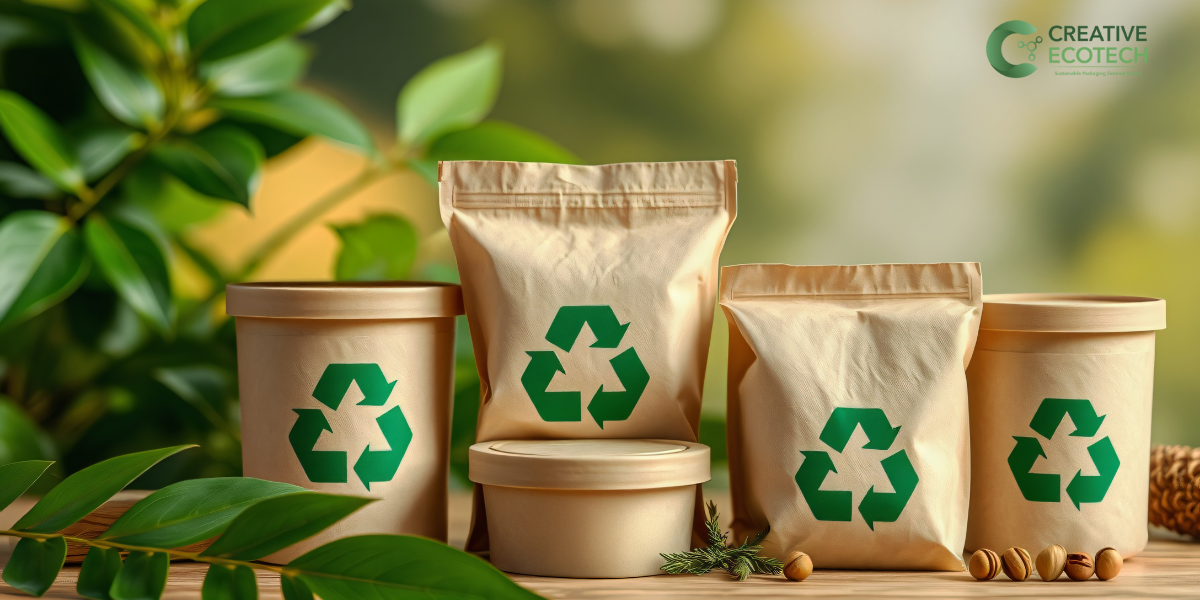
The increasing environmental impact of plastic waste has led many industries to explore sustainable alternatives. As businesses in the plastic industry, understanding the differences between biodegradable and recyclable plastics is crucial for making informed decisions. Choosing the right type of plastic for your products not only impacts environmental sustainability but also influences your brand image, cost-effectiveness, and compliance with regulations. This blog will dive into the differences between biodegradable and recyclable plastics, helping you make the best choice for your business.
What Are Biodegradable Plastics?
Biodegradable plastics are designed to break down over time through natural processes. These plastics decompose into water, carbon dioxide, and biomass, reducing their environmental impact. Biodegradable plastics are typically made from renewable sources like cornstarch, potato starch, or plant-based materials, unlike conventional plastics that are derived from petroleum.
One of the main advantages of biodegradable plastics is their ability to degrade more rapidly in landfills or composting environments. When disposed of in the right conditions, they decompose in a matter of months, minimizing long-term environmental harm. However, it’s important to note that biodegradable plastics require specific environmental conditions to break down. Without access to the right conditions – such as moisture, heat, and microorganisms – the breakdown process may take longer.
Types of Biodegradable Plastics
- PLA (Polylactic Acid): Made from fermented plant starch, PLA is a common biodegradable plastic used in packaging and food containers.
- PHA (Polyhydroxyalkanoates): Produced by bacteria, PHA plastics are also biodegradable and are used in various applications, including medical and agricultural products.
- PBAT (Polybutylene Adipate Terephthalate): This is a biodegradable plastic often blended with other materials to improve its flexibility and strength.
What Are Recyclable Plastics?
Recyclable plastics, on the other hand, are designed to be collected, sorted, and processed to produce new plastic products. Unlike biodegradable plastics, recyclable plastics do not break down naturally. Instead, they are processed and reused, which helps to conserve raw materials and reduce waste. Recycling plastics involves melting down the material and reshaping it into new products, keeping the plastic in circulation for a longer period.
Common recyclable plastics include PET (Polyethylene Terephthalate), HDPE (High-Density Polyethylene), and PP (Polypropylene). These plastics are highly sought after in the recycling industry because they can be reused to produce a wide range of items, from packaging materials to textiles and automotive parts.
Benefits of Recyclable Plastics
- Resource Conservation: Recycling plastics reduces the need for virgin plastic production, conserving fossil fuels and natural resources
- Energy Efficiency: Recycled plastics generally require less energy to process compared to producing new plastic from raw materials
- Circular Economy: By reusing plastic materials, recyclable plastics support a circular economy, where resources are used and repurposed instead of being discarded
Biodegradable vs. Recyclable: Key Differences
1. Environmental Impact
Both biodegradable and recyclable plastics aim to reduce the negative environmental impact of plastic waste. Biodegradable plastics break down naturally, but they require specific conditions to do so effectively. If they end up in landfill or in environments without proper composting conditions, their breakdown process may be incomplete. On the other hand, recyclable plastics help to reduce the consumption of new raw materials and energy, but they depend on efficient recycling systems to be effective.
2. Disposal and Waste Management
Biodegradable plastics require industrial composting or certain environmental conditions to break down efficiently. In areas without proper waste management systems, these plastics may not degrade as expected, leading to environmental problems. Recyclable plastics, however, are more versatile and can be recycled multiple times, making them ideal for businesses with access to a reliable recycling infrastructure.
3. Cost and Production
Biodegradable plastics tend to be more expensive to produce than recyclable plastics, primarily due to the use of renewable raw materials and the need for specialized production processes. Recyclable plastics are often more cost-effective to produce, as they make use of existing plastic waste, reducing the need for new raw materials.
4. Product Applications
Biodegradable plastics are commonly used in single-use items like food containers, packaging, and disposable cutlery. Recyclable plastics, on the other hand, are used for products that require long-term durability and the ability to be repurposed, such as bottles, containers, and automotive parts.
Which Option is Best for Your Business?
The choice between biodegradable and recyclable plastics depends on several factors, including the nature of your products, your business’s environmental goals, and the infrastructure available in your region.
- Biodegradable Plastics: If your business focuses on single-use products, particularly in industries like food packaging or disposable goods, biodegradable plastics could be a good option. They help reduce waste and appeal to environmentally conscious consumers. However, it is important to ensure that your products are disposed of in the right conditions for proper biodegradation.
- Recyclable Plastics: For businesses aiming to promote sustainability and reduce their carbon footprint, recyclable plastics are a strong choice. They are ideal for products that are likely to be reused or repurposed, such as beverage bottles or packaging materials. As the recycling infrastructure improves, businesses can participate in a circular economy, ensuring that their plastic products are continuously reused and not discarded.
Making the Right Choice for a Sustainable Business Future
Both biodegradable and recyclable plastics offer valuable environmental benefits. The key is understanding the specific needs of your business and the disposal systems available in your region. By choosing the right type of plastic, you can reduce your environmental impact while meeting consumer demand for sustainable products. Regardless of the choice you make, incorporating eco-friendly practices into your business is a crucial step towards building a greener future.
For more information or to explore sustainable plastic solutions, contact us at 033-40010135 or visit us at Ecostation Building, Saltlake, Kolkata.