

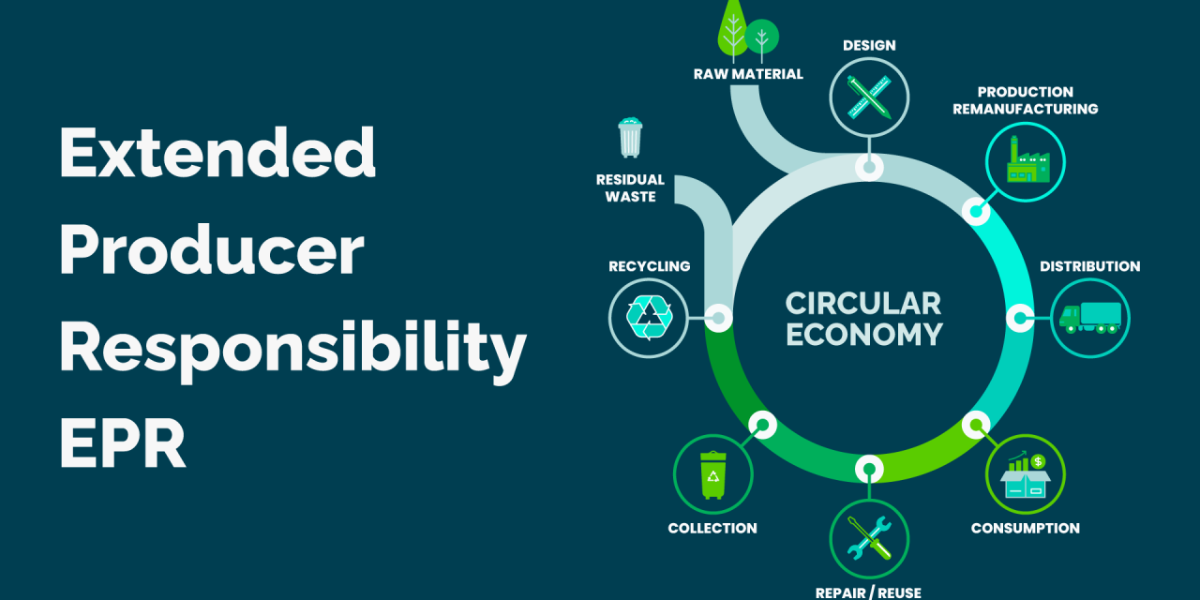
Plastic pollution is one of the most pressing environmental problems we face today. Every year, millions of tons of plastic waste are dumped into landfills, oceans, and open spaces, harming wildlife, polluting ecosystems, and impacting human health. The growing demand for plastic in packaging, consumer goods, and industrial uses has increased the burden on waste management systems. To tackle this issue, the concept of Extended Producer Responsibility (EPR) has emerged as a powerful and structured solution.
EPR is not just a policy measure. It is a responsibility shift from the government to the producers who manufacture plastic products or use plastic packaging. In India, and around the world, EPR is gaining momentum as an effective way to manage plastic waste. It aims to hold producers accountable for the life cycle of their products, especially once they become waste.
What is Extended Producer Responsibility (EPR)?
Extended Producer Responsibility is a policy approach where producers are made responsible for the collection, and disposal of the plastic waste generated by their products. This includes plastic packaging, single-use plastics, and other related materials. EPR encourages producers to design eco-friendly products, reduce plastic use, and invest in constructive systems.
In simple words, if you produce plastic, you are responsible for what happens to it after it is used. This includes taking steps to ensure it doesn’t end up polluting the environment.
Why is EPR Important for Responsible Plastic Production?
Plastic waste does not disappear on its own. It takes hundreds of years to degrade. Without proper disposal systems, plastic waste accumulates quickly and becomes unmanageable. Here’s how EPR helps in promoting responsible plastic production:
1. Encourages Sustainable Design
When producers know they will have to deal with the waste, they are more likely to design products that are recyclable, reusable, or use less plastic. EPR pushes manufacturers to think beyond the product’s life and consider its environmental impact.
2. Reduces Environmental Damage
EPR systems ensure that plastic waste is collected, and sorted responsibly. This reduces the chances of plastic ending up in rivers, oceans, or landfills. Proper waste management helps conserve resources and reduce greenhouse gas emissions.
3. Promotes Recycling Infrastructure
As more companies follow EPR, the demand for efficient recycling grows. This creates opportunities for businesses to build recycling plants, waste collection networks, and sorting units. It leads to more organized waste management and job creation.
4. Lowers Waste Management Burden on Local Authorities
Traditionally, municipal bodies handled waste management. But with the rise of plastic use, they are overwhelmed. EPR shifts the burden from the public sector to private producers, making the system more efficient and accountable.
EPR and Plastic Waste Rules in India
In India, the Ministry of Environment, Forest and Climate Change introduced EPR under the Plastic Waste Management Rules, 2016, and amended it in 2022. These rules make it mandatory for producers, importers, and brand owners (PIBOs) to manage plastic waste.
Key points of the updated rules include:
- Registration of all PIBOs under the Central Pollution Control Board (CPCB).
- Annual targets for recycling and waste collection.
- Mandatory use of plastic in packaging in a positive manner.
- Ban on specific single-use plastic items.
These steps ensure that producers cannot ignore their role in waste generation. It is now a legal responsibility to track, collect, and recycle a set percentage of the plastic they produce.
How Companies Can Comply with EPR
Businesses can meet their EPR obligations in several ways:
- Partner with waste management companies: Collaborate with recycling firms that can collect and process plastic waste on their behalf.
- Invest in in-house recycling: Some large companies set up their own units to recycle plastic waste.
- Use recycled materials: Reduce the need for virgin plastic by using recycled materials in packaging.
- Improve packaging design: Use minimal, recyclable, or biodegradable materials to reduce plastic dependency.
EPR compliance also builds brand value. Consumers today are more aware of the environmental impact of products. When a brand takes responsibility for its plastic waste, it gains customer trust.
Role of Creative Ecotech in Promoting EPR
At Creative Ecotech, we don’t just advocate for Extended Producer Responsibility (EPR)—we practice it within our own operations. From EPR registration to compliance documentation, real-time waste tracking, and transparent reporting, we’ve built robust internal systems to ensure that our environmental responsibilities are met with precision and integrity.
By implementing EPR within our own ecosystem, we’re not only meeting compliance standards—we’re setting them. Through innovation, accountability, and a deep commitment to the environment, we’re redefining what it means to be a responsible producer in India.
The Future of EPR in India
The future of EPR looks promising. With stronger rules, better tracking, and public awareness, EPR can change how we produce and manage plastic. But it needs cooperation from all — producers, consumers, government, and waste handlers. As India moves towards a circular economy, EPR will play a critical role in ensuring plastic is not just produced responsibly, but also reused efficiently.
Building a Culture of Corporate Responsibility
Extended Producer Responsibility is not just a policy—it is a mindset. A mindset where companies care about what happens to their products after use. A mindset that encourages cleaner production and better waste management. If implemented properly, EPR can significantly reduce the plastic burden on our planet.
To know more about how your company can implement EPR effectively or to seek consultation on plastic waste management, reach out to Creative Ecotech, located in Salt Lake, Sector 5, Kolkata. You can also contact them at 033-40010135 for expert advice and support.


