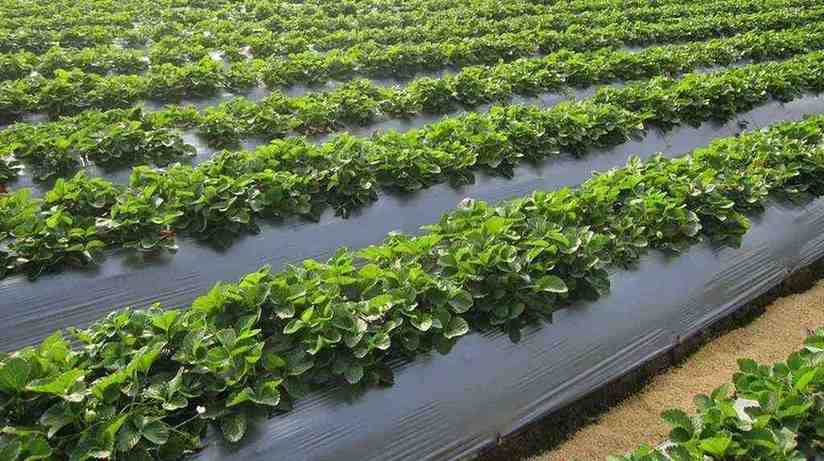
Agriculture is evolving rapidly with technology, and horticulture is at the center of this transformation. Farmers today face the challenge of producing more with fewer resources while dealing with unpredictable weather patterns and rising costs of inputs. To address these challenges, mulch films have become one of the most practical and impactful innovations in modern farming.
At Creative Ecotech, we design and manufacture mulch films that are not just durable but tailored for India’s diverse farming conditions. These films are helping horticulturists grow healthier crops, conserve resources, and enhance sustainability. In this blog, we’ll explore how mulch films contribute to yield improvement, water savings, and the role of color choice in achieving optimal results.
🌱 Yield Gains: Unlocking the Growth Potential of Crops
The most compelling reason farmers adopt mulch films is the direct improvement in yield. By covering the soil surface, mulch films create a controlled microclimate around the plant root zone. This has multiple positive effects:
- Soil Temperature Regulation – During cooler months, mulch films warm the soil, enabling early planting and faster germination. In hot seasons, specific colors like white or silver reflect heat to prevent overheating. This stable temperature helps roots function efficiently, improving nutrient uptake.
- Reduced Weed Growth – Uncontrolled weeds compete for water, nutrients, and sunlight, often reducing crop yield significantly. Black mulch films are particularly effective in blocking sunlight, preventing weeds from germinating. Less weed growth also means less reliance on herbicides, which lowers costs and makes the produce safer.
- Healthier Plants, Better Quality – When stress from weeds and soil fluctuations is reduced, plants focus energy on growth and fruit development. Farmers often report improved uniformity and higher market-grade produce, which fetches better prices.
Studies have shown that mulch films can increase crop yield by 15% to 40%, depending on crop type, film color, and management practices. For horticultural crops like tomatoes, cucumbers, capsicum, and melons, this can mean significantly higher profits per acre.
💧 Water Savings: Smarter Farming for Scarcity Conditions
Water is one of the scarcest and most valuable resources in agriculture today. With rainfall patterns becoming increasingly erratic, farmers need efficient irrigation practices. Mulch films play a vital role in reducing water consumption:
- Minimizing Evaporation – By covering the soil, mulch films trap moisture, preventing rapid evaporation under the sun. This ensures that water stays in the soil longer, directly accessible to the plant roots.
- Better Use of Drip Irrigation – When used with drip irrigation systems, mulch films ensure water goes exactly where it’s needed, without loss to weeds or evaporation. This synergy leads to 30–40% water savings compared to traditional irrigation.
- Reduced Irrigation Frequency – With water retention improved, farmers can irrigate less often. This not only conserves water but also reduces electricity and labor costs for pumping.
In regions with water stress, mulch films have become a necessity rather than a choice, helping farmers grow crops successfully even under challenging conditions.
🎨 Color Choice: More Than Just Appearance
While all mulch films share the basic function of covering soil, the color of the film plays a crucial role in determining how it interacts with the environment. Different colors serve different purposes:
- Black Mulch Film
- Most commonly used for vegetables like brinjal, chilli, and okra.
- Excellent for weed control.
- Absorbs heat, keeping soil warmer—ideal for winter planting.
- Most commonly used for vegetables like brinjal, chilli, and okra.
- Silver/Black Mulch Film
- Silver side reflects light and repels insects such as whiteflies and aphids.
- Black side prevents weed growth.
- Popular for pest-sensitive crops like tomato, chilli, and cucurbits.
- Silver side reflects light and repels insects such as whiteflies and aphids.
- White Mulch Film
- Reflects sunlight, keeping soil cooler.
- Best for summer crops like cucumbers and melons.
- Prevents overheating and supports root development.
- Reflects sunlight, keeping soil cooler.
- Transparent Mulch Film
- Allows maximum sunlight penetration, increasing soil temperature.
- Useful for early-season planting in cooler regions.
- Less effective against weeds, so generally used with pre-emergent weed control.
- Allows maximum sunlight penetration, increasing soil temperature.
Choosing the right color depends on the crop, season, and local climate conditions. At Creative Ecotech, we guide farmers in selecting the most effective mulch film to maximize their returns.
🌍 Beyond Productivity: Sustainability and Environmental Impact
The benefits of mulch films go beyond immediate farm productivity. They also contribute to more sustainable farming systems:
- Reduced Herbicide Use – By naturally suppressing weeds, mulch films reduce chemical dependency, promoting safer and cleaner food production.
- Lower Carbon Footprint – With fewer irrigation cycles and better resource efficiency, energy usage decreases.
- Higher Efficiency in Fertilizer Use – Fertilizers stay in the root zone instead of being washed away, improving nutrient use efficiency.
Modern mulch films, including those developed by Creative Ecotech, are designed to be durable and recyclable, aligning with eco-friendly farming practices.
✅ Conclusion: A Smarter Future with Mulch Films
Horticulture in India is entering a new era where technology and sustainability go hand in hand. Mulch films are no longer seen as an optional input—they are a proven investment that pays back in yield gains, water savings, and improved crop quality.
By carefully choosing the right mulch film and color, farmers can achieve consistent production, reduce costs, and ensure better profits season after season.
At Creative Ecotech, we are proud to support this transformation by providing high-quality, innovative, and sustainable mulch films tailored for Indian agriculture.
For further information, you can communicate with us at 033-40010135 and get solutions to your questions. Apart from that, you can visit our office located at Ecostation Building, Saltlake, Sector V, Kolkata to have a face-to-face discussion with us. Also, visit our official website to witness the services we deliver. Let’s work together to make plastic production more responsible and planet-friendly.