In this world, plastic is involved in each and every phase of our lives. It’s in the packaging of our groceries, the bottles we drink from, the bags we carry, and even the clothes we wear. For decades, we have been told that recycling is the ultimate solution. Toss that plastic bottle into the right bin, and it will be magically transformed into something new and useful. Problem solved, right? No, still the problem of its durability keeps a residual value that creates a difficult situation for manufacturers even if they try to dispose of them.
The Reality of Plastic Recycling
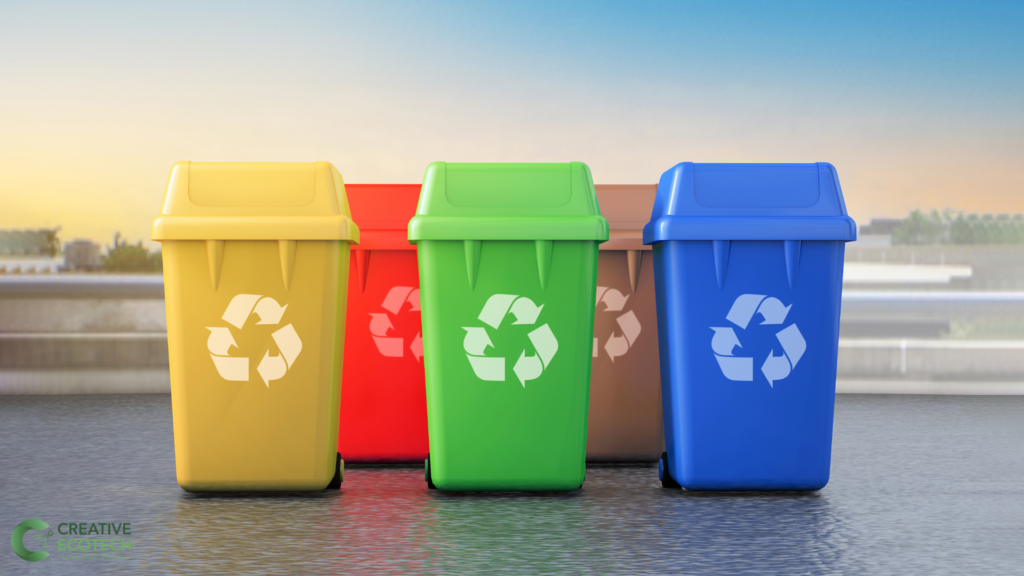
Recycling was introduced as a beacon of hope – a way to give plastic a second life while safeguarding the environment. But here lies the truth: only 9% of all plastic ever produced has been recycled. The rest? It either ends up in landfills, incinerators, or, worse, in our oceans, where it takes hundreds of years to break down.
If you want to know the reason behind this, then you must have an idea. For one, plastic isn’t as recyclable or reusable as we’ve been led to believe. Unlike materials like glass or aluminum, plastic degrades with each recycling cycle. Many types of plastic such as wrappers, bags, and mixed-material packaging aren’t even recyclable in most facilities. And even when plastic does get recycled, it often turns into a substandard product that eventually still ends up as waste.
The Hidden Costs of Recycling
Recycling sounds like a sustainable as well as eco-friendly practice, but it comes with hidden costs. The procedure itself requires significant energy and water, contributing to pollution. You must realize that much of the plastic waste we think we are recycling is actually shipped to other countries, where it is either discarded or burned.
In the meantime, the production of new plastic continues to rise. Why? Because it’s inexpensive, convenient, and industries benefit from keeping the cycle going. As a result, recycling alone cannot address the root problem; it’s merely a bandage on a much larger crisis.
Apart from that, harmful pollutants are released into the air and water from the recycled plastics. Before assessing whether recycling is the best option or not, you need to ponder over the matter that recycling can never be the perfect solution but a better option for the environment. On the other hand, a positive side needs to be observed as well. According to a piece of article published by the Journal of Industrial Ecology, recycling merely lessens the greenhouse gas emissions by 2-3%. But, it needs to be clarified that reduction in the consumption of harmful plastic materials can decrease emissions by up to 20%.
Where Does All That Plastic Go?
Take a moment to imagine a plastic bottle you utilized a few years ago. Maybe it was from a road trip or a picnic. Where is that bottle now? Chances are, it still exists somewhere. Maybe it’s buried in a landfill, floating in a river, or broken down into microplastics that have found their way into the food chain.
Yes, you read that right. Plastic is in our food, water, and even the air we breathe. Scientists have found microplastics in deep-sea creatures, Arctic ice, and even human organs. Our world is drowning in plastic, and recycling isn’t enough to prevent that in the current scenario.
So, What’s the Real Solution?
If recycling isn’t the answer, then what is? The real solution lies in minimizing plastic utilization altogether. It means opting for alternatives, holding corporations accountable, and transforming the way we consume. Here’s what we can do:
- Refuse Single-Use Plastics: Say no to plastic straws, bags, and cutlery whenever possible
- Support Circular Economies: Purchase products made from recycled materials and support businesses that focus on sustainability
- Advocate for Change: Governments and industries must invest in better waste management systems and innovative alternatives
Rethinking Plastic: Why Recycling Alone Won’t Save Us
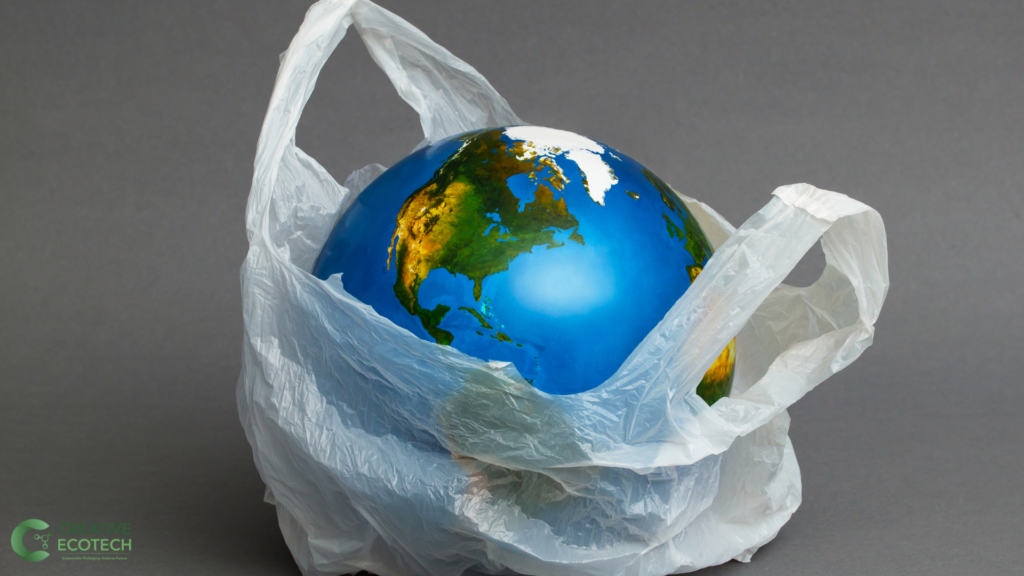
Recycling, while instrumental, is not the magic solution we once believed it to be. It’s time to ponder over our relationship with plastic and move towards a world where we don’t just recycle; but reduce, refuse, and redesign our systems to be truly viable.
The next time you reach for a plastic bottle or bag, ask yourself: Is this really necessary? Because the truth is, the only way to stop plastic pollution is to prevent plastic at its source.
This is where Creative Ecotech steps in. By offering innovative and eco-friendly alternatives, and sustainable business practices, Creative Ecotech empowers individuals and businesses to adopt a plastic-friendly lifestyle. From advanced recycling technologies and circular economy initiatives, we guide you to make conscious choices that positively influence the environment. For receiving necessary guidance, you can communicate with us at 033-40010135 and get expert advice from our team of professionals. Also, you can visit our official website and get to know the products or services we are offering. Visit our office located at Ecostation Building, Salt Lake, Sector 5, Kolkata to join a face-to-face discussion in order to mitigate your concern.
Join hands with Creative Ecotech and take the next step towards a greener, cleaner future – one where sustainability is more than just a promise, but a way of life.